Machine setup
Thread, tension, needle
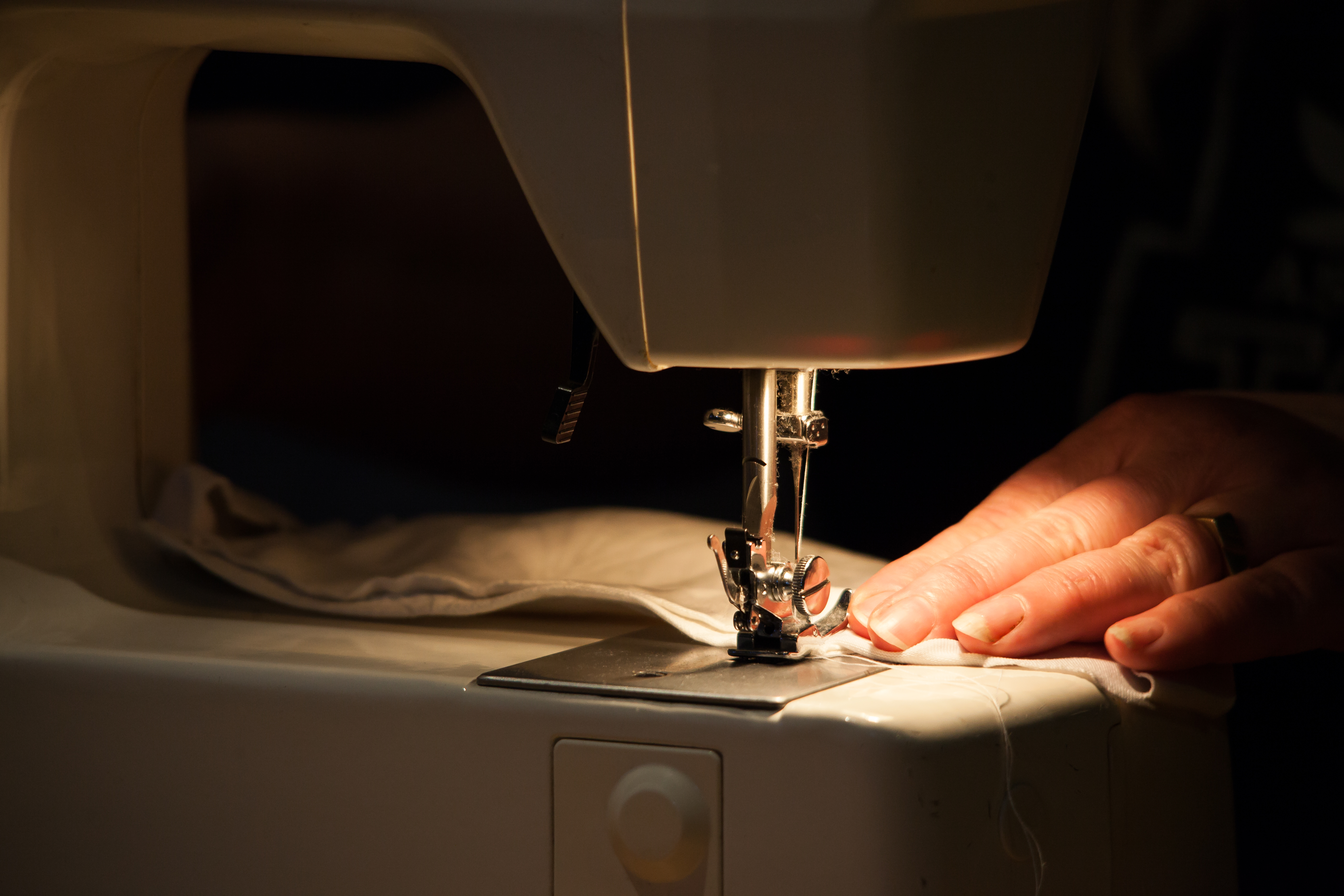
Winding a bobbin, threading the upper path in order, matching needle size to fabric weight, and reading an uneven stitch on the underside.
Home Sewing · Canada
A reference for getting a machine threaded correctly, working the handful of stitches that cover most repairs, and adjusting off-the-rack clothing so it actually fits. Written for readers across Canada, from apartment sewing corners to community workshops.
What this site covers
Most everyday sewing falls into a small number of repeatable tasks. The guides here stay close to those tasks rather than trying to cover an entire trade.
Machine setup
Winding a bobbin, threading the upper path in order, matching needle size to fabric weight, and reading an uneven stitch on the underside.
Hand stitches
Running, backstitch, slip stitch, whipstitch, and a secured buttonhole approach — enough to close a seam or reattach a button without a machine.
Alterations
Hemming trousers, taking in a side seam, and shortening sleeves — the changes that turn a near-fit into a wearable garment.
Guides
Each guide is written as a standalone reference with steps, a short specification table, and links to publicly available source material.

Threading order, bobbin winding, tension, and the needle-size table for common fabrics.
Read the guide →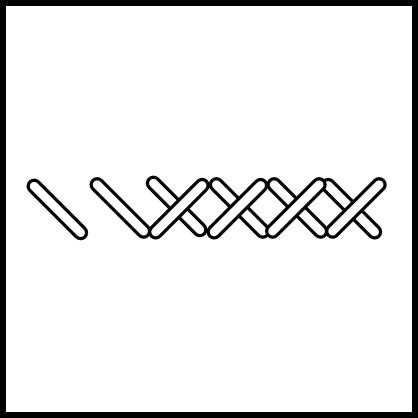
Running, backstitch, slip stitch, whipstitch and buttonhole — with the repair each one suits.
Read the guide →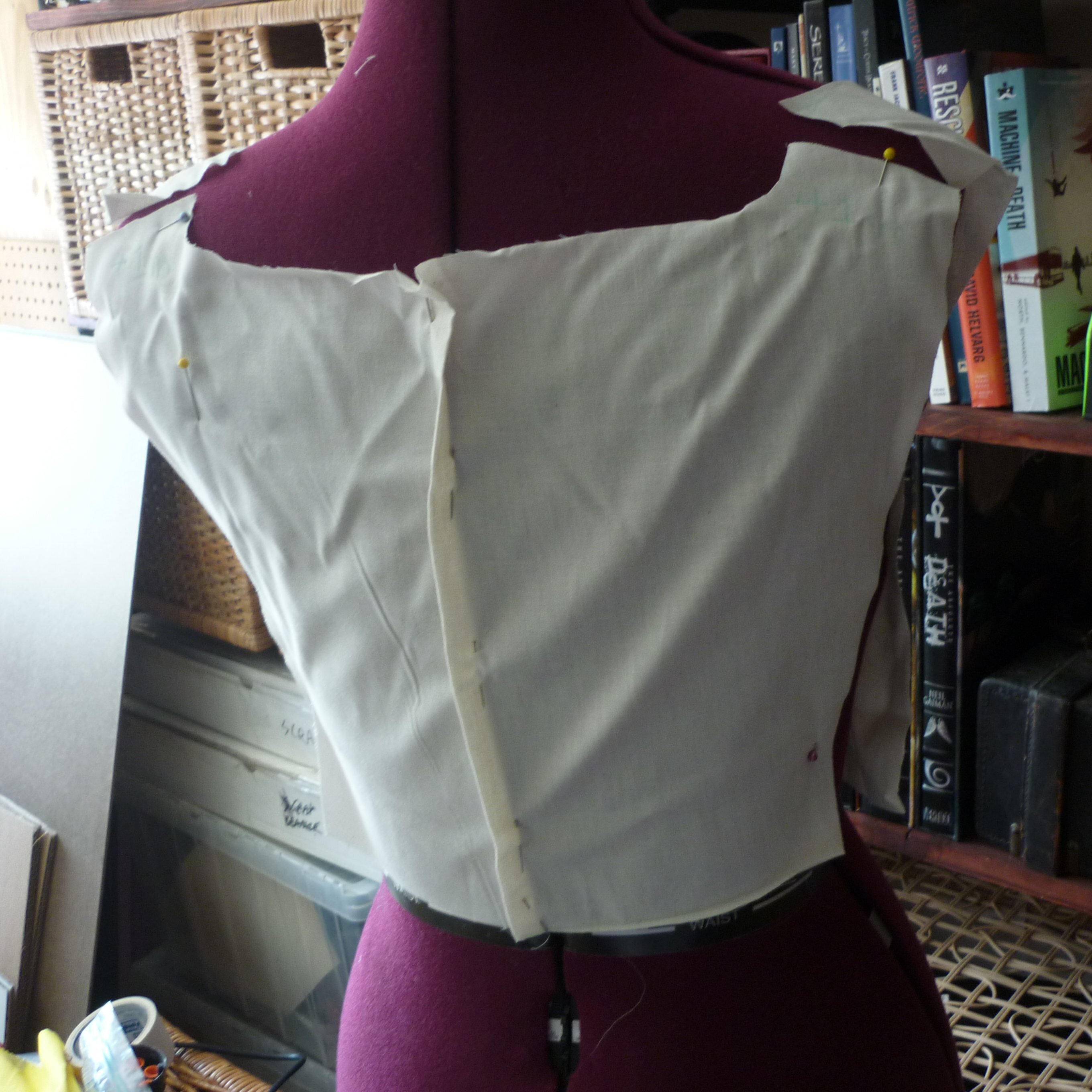
Measuring, hemming, taking in seams, and shortening sleeves on ready-to-wear garments.
Read the guide →A starting kit
The list below covers the tools referenced across the guides. Nothing here is brand-specific; equivalents are sold at fabric retailers and general department stores across Canada.
| Tool | Typical use |
|---|---|
| Tape measure (cm/in) | Body and garment measurements |
| Fabric shears | Cutting cloth only, kept separate from paper scissors |
| Seam ripper | Opening seams before an alteration |
| Hand needles, assorted | Repairs and finishing |
| Pins and a pincushion | Holding layers before stitching |
| Tailor's chalk | Marking hem and seam lines |

Note on thread
For most woven garments an all-purpose polyester thread is the common default. Heavier denim or upholstery work generally calls for a thicker thread and a larger needle — the needle table in the setup guide covers the pairings.
Contact
Have a question about a guide, or spotted something that should be fixed? Use the form below. It runs entirely in your browser and does not transmit anything to a server.
editor@valirelin.pro
Location
Toronto, Ontario, Canada
Reference libraries
Many Canadian public library systems hold sewing and home-economics titles and offer access to maker spaces. Check your local branch catalogue for availability.